
 Products
 Request An Appointment
Expert Rosacea Care in NYC with Personalized Treatment Plans
Persistent facial redness and flushing are often signs of rosacea, a common but often misunderstood chronic skin condition marked by visible blood vessels and skin sensitivity. Many patients seek out Dr. Debra Jaliman, a board-certified dermatologist in NYC, after other rosacea treatments have failed—because she provides a detailed, personalized approach that delivers real results. With over 25 years of experience, Dr. Jaliman has successfully treated thousands of rosacea patients in New York City by evaluating everything from skincare ingredients to lifestyle triggers.
Rosacea Skincare Treatment Customized for You
Dr. Jaliman performs a careful assessment of each patient’s skincare regimen to identify which products are safe for rosacea-prone skin and which ones may be contributing to flare-ups. Her custom rosacea treatment plans often include an in-office topical antibiotic moisturizer made with metronidazole, along with AzaSmooth, a 12% azelaic acid cream formulated to reduce redness and inflammation. She also recommends soothing cleansers and calming serums tailored to sensitive skin.
Targeting Triggers and Severe Rosacea Symptoms
In addition to topical therapy, Dr. Jaliman addresses rosacea triggers such as spicy foods, alcohol, and heat. For more severe or resistant rosacea, she may prescribe oral antibiotics or recommend laser treatments to reduce chronic redness and eliminate broken capillaries and visible blood vessels.
Rosacea Treatment NYC – Book Your Consultation Today
For expert rosacea treatment in NYC, call our Upper East Side dermatology office at to schedule your consultation with Dr. Debra Jaliman. Whether you have mild redness or more advanced rosacea symptoms, we create a treatment plan that’s right for your skin.

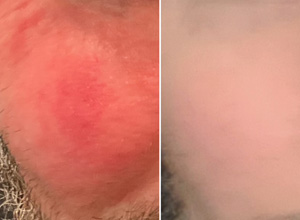
Understanding Rosacea: Causes, Symptoms, and Expert Diagnosis in NYC
Rosacea is a chronic inflammatory skin condition that typically presents as facial redness, flushing, visible blood vessels, and, in some cases, acne-like pimples or pustules. It most often affects the cheeks, nose, forehead, and chin, but symptoms may also appear on the neck, chest, or back. Some individuals experience burning or stinging sensations, dry skin, or ocular rosacea, which involves eye irritation and redness.
While rosacea can affect anyone, it’s most common in individuals with fair skin, usually between the ages of 30 and 50. Women are more frequently diagnosed, but men often experience more severe rosacea symptoms. Because rosacea can mimic other skin conditions—like acne, eczema, psoriasis, lupus, or contact dermatitis—an accurate diagnosis by a board-certified dermatologist is critical.
Expert Rosacea Diagnosis & Treatment by Dr. Debra Jaliman in NYC
Dr. Debra Jaliman, a top-rated cosmetic dermatologist in New York City, has over 25 years of experience diagnosing and treating all rosacea subtypes. Her comprehensive, individualized treatment plans may include:
- Topical rosacea treatments
- Oral medications
- Laser therapy for rosacea, including visible blood vessel reduction
Dr. Jaliman also incorporates the latest rosacea research into her care. For example, recent studies show rosacea patients may have a higher density of Demodex mites, which may contribute to inflammation. Research also links rosacea to the HPA (hypothalamic-pituitary-adrenal) axis, suggesting a potential connection to stress, anxiety, and depression.
If you’re experiencing persistent redness or breakouts and are unsure whether it’s rosacea or another skin condition, Dr. Jaliman can help. She performs a thorough skin exam, reviews your medical history, and identifies any rosacea triggers—such as sun, spicy foods, alcohol, or temperature changes—to guide treatment.
Why Does My Skin Get Red So Easily?
If your skin turns red easily, especially on the cheeks, nose, forehead, or chin, you may be experiencing symptoms of rosacea—a chronic inflammatory skin condition that affects millions of people.
In rosacea, the small blood vessels (capillaries) in the skin are hypersensitive and prone to dilation, which results in facial flushing and persistent redness. This reactivity can be triggered by heat, sun exposure, spicy foods, alcohol, or emotional stress.
The condition is also associated with chronic inflammation, which increases blood flow to the skin and further contributes to redness and irritation. Over time, repeated episodes of flushing can cause blood vessels to become permanently visible on the skin—a hallmark sign of rosacea known as telangiectasia.
If you’re noticing increased facial redness or sensitivity, especially with known rosacea triggers, it’s important to consult a board-certified dermatologist for an accurate diagnosis and effective treatment.
Is Rosacea Hereditary or Genetic?
Yes, rosacea can be hereditary. If you have a family history of rosacea, your risk of developing the condition is significantly higher. While genetics alone don’t guarantee you’ll get rosacea, they do play a major role—especially when combined with other contributing factors.
People with fair skin, particularly those with Fitzpatrick skin types I and II, are more likely to develop genetic rosacea. Though women are diagnosed more frequently, men often experience more severe rosacea symptoms, including thickened skin (phymatous rosacea).
The exact cause of rosacea remains unclear, but current research suggests a combination of genetic predisposition, immune system overactivity, and environmental triggers. Some of the most common biological factors associated with rosacea include:
- The presence of H. pylori bacteria in the gut
- High density of Demodex mites on the skin
- An abnormal response in the innate immune system
If you suspect your facial redness or sensitivity may be hereditary, it’s important to consult a board-certified dermatologist like Dr. Debra Jaliman in NYC. Early diagnosis and customized treatment can help manage symptoms and prevent progression.
Who Is Most Likely to Develop Rosacea?
Rosacea is a chronic inflammatory skin condition that affects an estimated 5% of the general population, though many people don’t realize they have it. As a New York City dermatologist, I often see patients who come in with persistent facial redness, believing it’s simply sensitive skin or a stubborn rash. In reality, it’s often undiagnosed rosacea—and they’re understandably frustrated.
Rosacea most commonly develops in adults between the ages of 30 and 50. While it can affect anyone, it is most prevalent in:
- People with fair skin, especially those with Celtic or Northern European ancestry
- Women, who are more likely to be diagnosed (though men tend to have more severe symptoms)
- Individuals with a family history of rosacea, as the condition can be hereditary
- People with a history of smoking, which is associated with a higher risk of inflammatory skin conditions
For many, rosacea symptoms go beyond redness. Acne rosacea, a subtype, includes papules and pustules that resemble breakouts—often leading to embarrassment, reduced self-confidence, and social withdrawal. Men, in particular, may struggle more with the cosmetic impact because they’re less likely to use makeup to conceal the redness or breakouts.
If you’re experiencing persistent redness, flushing, or acne-like bumps, you may be dealing with undiagnosed rosacea. A consultation with Dr. Debra Jaliman, a leading rosacea specialist in NYC, can help you get the right diagnosis and start an effective treatment plan.
What Are the Main Symptoms of Rosacea?
Rosacea is a chronic, inflammatory skin condition with a wide range of symptoms that often vary from person to person. Recognizing the signs early is essential for effective treatment and avoiding long-term skin damage. Below are the most common rosacea symptoms seen in our NYC dermatology office:
Common Signs and Symptoms of Rosacea:
- Facial redness across the central face – including the nose, cheeks, chin, and forehead
- Visible blood vessels (capillaries or telangiectasias) on the skin
- Acne-like breakouts, including pimples (but not blackheads or whiteheads)
- Eye redness, dryness, and irritation (ocular rosacea)
- Frequent facial flushing and sensitivity
- Facial swelling and inflammation
- Burning or stinging sensation—skin may feel hot or tender
- Dry, rough skin texture
- Enlarged nose (rhinophyma), more common in men
Because rosacea can mimic other skin conditions—such as acne, eczema, lupus, contact dermatitis, seborrheic dermatitis, and perioral dermatitis—getting an accurate diagnosis from an experienced rosacea dermatologist is critical.
At her Upper East Side dermatology office, Dr. Debra Jaliman uses a comprehensive and personalized approach to assess your symptoms, examine your skin closely, and determine if referrals (e.g., to an eye doctor for ocular symptoms) are needed. Rosacea is a complex inflammatory disease that may affect multiple areas of the body and can have systemic triggers.
A successful rosacea treatment plan often involves coordinated care that looks at the whole patient—including diet, skincare products, exercise, stress levels, and lifestyle choices. Dr. Jaliman combines medical expertise with compassionate care to help patients manage symptoms and restore clear, healthy skin.
Common Signs of Rosacea
Acne rosacea, more commonly referred to as rosacea, is a chronic inflammatory skin condition that can present with a range of visible symptoms. Because rosacea can mimic other conditions like acne, eczema, and seborrheic dermatitis, it’s important to see an experienced NYC dermatologist for an accurate diagnosis and customized treatment plan.
At Dr. Debra Jaliman’s Upper East Side dermatology office, patients often come in with these common signs of rosacea:
Most Common Rosacea Symptoms:
- Facial Redness: Persistent redness in the central face—especially the cheeks, nose, forehead, and chin—is one of the most recognizable signs. It often looks like a flush or sunburn that doesn’t go away.
- Pimple-Like Bumps: Patients may develop papules and pustules—red, acne-like bumps that can be pus-filled. While they resemble acne, they do not involve blackheads or whiteheads.
- Burning or Stinging Sensation: A burning or stinging feeling on the face is common, especially during flare-ups. The skin may feel tender, irritated, or warm to the touch.
- Eye Irritation (Ocular Rosacea): Some patients experience red, dry, itchy eyes or a gritty sensation. This type of ocular rosacea can lead to blurred vision or eye complications if left untreated.
- Thickened Skin: In advanced cases, particularly in men, rosacea can cause skin thickening around the nose, known as rhinophyma.
- Facial Flushing: Frequent flushing episodes triggered by spicy foods, alcohol, hot beverages, heat, or stress are a common early symptom.
- Facial Swelling: Some individuals develop facial puffiness or swelling, especially around the eyes or cheeks, contributing to discomfort and changes in facial contours.
When to See a Dermatologist
Since rosacea symptoms vary from person to person, not everyone will experience all of these signs. If you have any of the above symptoms or persistent facial redness, it’s important to consult a board-certified rosacea dermatologist in NYC. Early diagnosis and tailored treatment can prevent symptoms from worsening and improve your skin’s appearance and comfort.
Types of Rosacea
Rosacea is a chronic inflammatory skin condition that affects over 16 million Americans. To better guide diagnosis and treatment, dermatologists classify it into four main subtypes, each with distinct symptoms. However, many patients experience overlapping features, making it essential to have an experienced dermatologist—like Dr. Debra Jaliman in NYC—evaluate your skin and create a tailored treatment plan.
1. Erythematotelangiectatic Rosacea (ETR)
This subtype is characterized by persistent facial redness, frequent flushing, and visible blood vessels (telangiectasias), particularly on the cheeks and nose. The skin may feel sensitive or warm to the touch.
Treatment may include:
- Topical vasoconstrictors (e.g., brimonidine)
- Laser or light therapies to reduce redness and capillaries
- Anti-inflammatory skincare products
2. Papulopustular Rosacea (Acne Rosacea)
Often mistaken for adult acne, this subtype involves red bumps, pustules, and inflammation, especially in the central face. Unlike acne, it typically doesn’t include blackheads or whiteheads.
Treatment may include:
- Prescription topical and oral antibiotics (e.g., metronidazole, doxycycline)
- Azelaic acid or ivermectin cream
- Customized skincare to reduce flare-ups
3. Phymatous Rosacea (Rhinophyma)
Phymatous rosacea causes skin thickening, most commonly around the nose (rhinophyma), but it can also affect the chin, forehead, and ears. This subtype occurs more often in men and may worsen over time without treatment.
Treatment may include:
- Laser resurfacing or radiofrequency treatment
- Electrosurgery
- In severe cases, surgical removal of excess tissue
4. Ocular Rosacea
Ocular rosacea affects the eyes, leading to redness, dryness, a gritty feeling, or burning sensations. Some patients experience blurred vision or swollen eyelids. This subtype may occur with or without visible skin symptoms.
Treatment may include:
- Oral antibiotics like doxycycline
- Artificial tears or medicated eye drops
- Referral to an ophthalmologist for co-management
Why Accurate Diagnosis Matters
Rosacea symptoms can overlap with other conditions such as acne, seborrheic dermatitis, perioral dermatitis, or lupus. That’s why seeing a board-certified dermatologist in NYC like Dr. Jaliman is essential for proper diagnosis and a customized treatment plan.
Diagnosing Rosacea
How Is Rosacea Diagnosed?
Rosacea diagnosis is typically made by a board-certified dermatologist through a detailed medical history and physical examination of the skin. There is no single test to confirm rosacea, which makes expert evaluation crucial—especially in a city like New York, where skin conditions can be aggravated by pollution, stress, and weather extremes.
At her Upper East Side dermatology office, Dr. Debra Jaliman, a top NYC dermatologist, will examine your symptoms and determine whether they match one of the recognized rosacea subtypes. She will also discuss your skin history, lifestyle factors, and any previous skin treatments.
If needed, she may order tests to rule out other skin conditions that mimic rosacea, such as:
- Acne vulgaris
- Psoriasis
- Seborrheic dermatitis
- Perioral dermatitis
- Lupus (systemic erythematosus)
Once a diagnosis is made, Dr. Jaliman will create a personalized rosacea treatment plan tailored to your skin type and lifestyle. The goal is to reduce symptoms, prevent flare-ups, and improve your skin’s overall health and appearance.
Should I Get a Second Opinion on My Rosacea Diagnosis?
If your rosacea diagnosis is uncertain, your symptoms aren’t improving with treatment, or you think another skin condition might be causing your issues, getting a second opinion from a board-certified dermatologist can be very beneficial.
Rosacea is often mistaken for other conditions such as acne, eczema, seborrheic dermatitis, or even lupus. An experienced NYC dermatologist like Dr. Debra Jaliman can carefully evaluate your skin and help confirm whether you have rosacea or another condition. A second opinion can give you peace of mind and lead to a more effective, personalized rosacea treatment plan.
Common Rosacea Triggers and How to Prevent Flare-Ups
Foods That Commonly Trigger Rosacea Flare-Ups
Certain foods are known to trigger rosacea flare-ups in many individuals. While triggers vary from person to person, avoiding or limiting the following common rosacea-triggering foods can help reduce facial redness, inflammation, and flare severity:
- Cheese, especially aged varieties
- Chocolate
- Spicy foods like chili peppers, jalapeños, hot sauce, and Tabasco
- Cinnamon
- Citrus fruits, including oranges, lemons, and grapefruits
- Soy sauce
- Vanilla (natural or artificial)
- Tomatoes and tomato-based products
- Caffeinated beverages, such as coffee, tea, and cola
- Hot drinks – allow them to cool slightly before consuming
- Alcohol, especially red wine and beer (white wine is often better tolerated)
If you’re managing rosacea symptoms, consider keeping a food diary to identify your personal dietary triggers and discuss them with your dermatologist.
Weather-Related Triggers That Worsen Rosacea Symptoms
Certain weather conditions can trigger rosacea flare-ups, especially for people with sensitive skin. Managing exposure and preparing your skin can reduce the frequency and severity of symptoms.
Common weather triggers for rosacea include:
- Sun exposure – UV rays are one of the most common rosacea triggers. Always wear a broad-spectrum SPF 30+ sunscreen.
- Hot weather – Heat and sweating can worsen facial redness and inflammation.
- Cold weather – Harsh winter air and wind can dry out the skin and trigger flare-ups.
- Wind exposure – Windburn and irritation may worsen rosacea symptoms.
- Humidity extremes – Both high humidity and very dry air can disrupt your skin barrier and aggravate rosacea.
To minimize flare-ups, wear protective clothing, avoid peak sun hours, and use gentle, hydrating skincare.
Skincare Ingredients and Products That Can Trigger Rosacea
Many people with rosacea find that certain skincare ingredients trigger flare-ups. Choosing the right products is essential for calming and protecting sensitive skin.
Skincare ingredients and habits that may trigger rosacea include:
- Fragrances – artificial or even natural scents can irritate rosacea-prone skin.
- Alcohol-based products – often found in toners and astringents, these can be drying and inflaming.
- Menthol, camphor, and eucalyptus – common in “cooling” products, but often too harsh for sensitive skin.
- Exfoliating acids – such as glycolic or salicylic acid, which may cause stinging and redness.
- Harsh scrubs – physical exfoliants can worsen irritation.
- Hot water – use lukewarm water when cleansing the face.
Stick to fragrance-free, non-comedogenic, and dermatologist-recommended rosacea skincare products to keep your skin calm and protected.
Stress and Lifestyle Factors That Can Cause Rosacea Flare-ups
Emotional stress and lifestyle habits are often overlooked but powerful triggers for rosacea flare-ups. Managing these factors can make a significant difference in reducing redness, inflammation, and discomfort.
Common Rosacea Triggers from Stress and Daily Life:
- Emotional stress – Anxiety, tension, or strong emotions can cause facial flushing and worsen rosacea symptoms.
- Exercise – Intense workouts that raise your body temperature may lead to flare-ups. Choose moderate exercise and stay cool.
- Overheating – Hot baths, saunas, and steamy environments can dilate blood vessels and trigger facial redness.
- Sleep deprivation – Lack of quality sleep may stress your body and aggravate skin inflammation.
- Poor diet – Diets high in sugar, processed foods, or inflammatory ingredients may worsen rosacea.
- Alcohol consumption – Especially red wine, which is a well-known rosacea trigger. Opt for white wine if drinking.
Managing stress through relaxation techniques, gentle physical activity, and a rosacea-friendly routine can help you regain control over your symptoms.
Other Common Rosacea Triggers to Avoid
If you’re managing rosacea, avoiding certain environmental, lifestyle, and skincare triggers can help minimize rosacea flare-ups and keep your skin calm. Here are common culprits that may worsen rosacea symptoms:
Temperature & Climate Triggers
- Hot showers, steam rooms, saunas, and hot baths can cause facial flushing.
- Cold weather, strong winds, and direct sun exposure often aggravate sensitive skin.
Tip: Protect your face with a silk scarf (not wool), wear a wide-brimmed hat, and use broad-spectrum sunscreen daily.
Emotional & Physical Triggers
- Stress, anger, anxiety, and embarrassment can all trigger rosacea flushing.
- Strenuous exercise, chronic coughing, and straining may worsen symptoms.
Tip: Gentle exercise and stress reduction techniques like meditation can help.
Medication Triggers
- Niacin (Vitamin B3), nitroglycerin, and certain blood pressure medications are known to trigger flushing.
- Topical corticosteroids and strong retinoids may irritate rosacea-prone skin.
Hormonal Triggers
- Menopause and hormonal changes can lead to increased facial redness and sensitivity.
Skincare & Product Triggers
- Avoid fragranced lotions, essential oils, and alcohol-based products (including toners and astringents).
- Steer clear of exfoliating scrubs, retinoids, glycolic acid, and lactic acid.
- Ingredients like sodium lauryl sulfate (in shampoos and foaming cleansers), menthol, heavy oils, shea butter, and makeup with comedogenic ingredients can worsen rosacea.
- Even “natural” products may contain irritants—always check the label.
Important: Look for non-comedogenic, oil-free, and fragrance-free skincare. Patch test new products on your arm for several days before applying them to your face.
Environmental & Household Triggers
- Daily exposure to UV light, sun lamps, and indoor heat can increase inflammation.
- Common irritants include household cleaners (like ammonia), hair spray, and perfumes.
- Free radicals and pollution in the air may also aggravate rosacea—cleansing thoroughly every night is essential.
Gentle Skincare Tips for Rosacea
- Use a mild cleanser or micellar water—never scrub your face.
- Wash with a baby washcloth or cotton round, not your hands (fingernails can harbor bacteria).
- Pat skin dry with a towel—never rub.
- Apply a calming antioxidant serum at night to help protect against free radical damage.
How Can I Prevent Rosacea Flare-ups in a High Pollution City Like New York?
Living in a city like New York, where air pollution and environmental stressors are high, can make rosacea harder to manage. To help prevent rosacea flare-ups, consider these dermatologist-recommended strategies:
- Protect your skin daily with a broad-spectrum sunscreen that is fragrance-free and formulated for sensitive skin.
- Use gentle skincare products that are non-comedogenic, alcohol-free, and free of irritants.
- Avoid common rosacea triggers such as spicy foods, hot beverages, and alcohol (especially red wine and beer).
- Wear protective clothing, including wide-brimmed hats and lightweight scarves, to shield your face from UV exposure, wind, and pollution.
- Wash your face every evening to remove environmental pollutants, free radicals, and fine dust particles that can irritate rosacea-prone skin.
Maintaining a rosacea-friendly skincare routine and avoiding urban triggers can make a significant difference in reducing flare-ups.
Can Stress Management Techniques Reduce Rosacea Symptoms in a High-Stress City Like NYC?
Absolutely. Practicing stress management is essential for people with rosacea, especially those living in high-stress environments like New York City. Emotional stress is a well-known rosacea trigger that can lead to sudden and severe rosacea flare-ups.
Incorporating stress-reduction techniques into your daily routine—such as meditation, yoga, deep breathing, and mindfulness—can significantly help calm your skin and reduce flare-up frequency. Many dermatologists recommend these holistic methods to complement medical rosacea treatment and improve overall skin health.
Managing stress is a key part of any effective rosacea treatment plan—especially in a busy, urban environment like NYC.
Rosacea Treatment Options in NYC
What Are the Best Rosacea Treatments in NYC?
The most effective rosacea treatments in NYC include topical medications such as metronidazole and azelaic acid, oral anti-inflammatory antibiotics, laser therapy, and customized skincare regimens. A board-certified dermatologist tailors treatment based on rosacea subtype, severity, and individual skin sensitivity.
How Can Rosacea Be Treated Effectively?
Successful rosacea treatment involves a comprehensive approach combining prescription therapies, trigger management, and professional skincare guidance. With consistent treatment, patients often experience significant improvement in redness, inflammation, and rosacea-related breakouts.
Can Rosacea Be Permanently Cured?
Rosacea is a chronic condition that cannot usually be cured, but it can be effectively controlled. With ongoing treatment and lifestyle adjustments, many patients achieve long-term remission of rosacea symptoms and improved skin tone.
Are There New or Advanced Treatments for Rosacea?
Recent advancements in rosacea treatment include improved topical formulations, targeted oral therapies, and advanced laser technologies. These innovations provide more precise control of inflammation and blood vessels, improving outcomes for moderate to severe rosacea.
Do Oral Prescription Medications Help Rosacea?
Oral medications such as low-dose doxycycline are commonly used to treat moderate to severe rosacea. These medications reduce inflammation and help control papules, pustules, and persistent redness associated with rosacea.
Does Rosacea Get Worse With Age?
Without treatment, rosacea can gradually worsen over time. Early intervention with dermatologist-guided care helps prevent progression and minimizes long-term skin damage and chronic redness.
Laser Treatment for Rosacea
Laser treatment for rosacea is one of the most advanced and effective options for reducing persistent facial redness, flushing, inflammation, and visible blood vessels. For patients who do not respond fully to topical or oral medications, rosacea laser therapy can dramatically improve skin tone and long-term symptom control.
At our NYC dermatology office, we offer multiple state-of-the-art laser technologies tailored to your skin type, rosacea subtype, and severity of symptoms. These include Intense Pulsed Light (IPL), the CoolGlide laser, and Laser Genesis. During your consultation, Dr. Debra Jaliman, a board-certified dermatologist in New York City, develops a personalized laser treatment plan designed to achieve clearer, calmer, and more even-toned skin with minimal downtime.
Laser Genesis for Rosacea
Laser Genesis for rosacea is a gentle, non-invasive treatment ideal for patients with diffuse redness, flushing, and sensitive skin. This advanced laser delivers controlled heat deep into the dermis, stimulating collagen production while reducing inflammation and calming reactive blood vessels.
By targeting the microscopic dilated vessels beneath the skin, Laser Genesis improves overall skin tone, texture, and redness without damaging the surface of the skin. Most patients benefit from a series of 4 to 6 laser sessions, typically spaced 2 to 4 weeks apart, to achieve optimal and long-lasting results.
Intense Pulsed Light (IPL) Therapy for Rosacea
IPL therapy for rosacea is a highly effective treatment for reducing broken capillaries, facial redness, and vascular rosacea symptoms. Unlike traditional lasers, IPL uses broad-spectrum light energy to selectively target and collapse dilated blood vessels responsible for redness.
Over time, these treated vessels are naturally reabsorbed by the body, leading to visibly clearer skin and a more even complexion. IPL rosacea treatment is especially effective for patients with prominent blood vessels and persistent redness, making it one of the most popular and results-driven options for managing moderate to severe rosacea.
Is Laser Treatment Effective for Rosacea?
Laser therapy is one of the most effective options for reducing facial redness and visible blood vessels caused by rosacea. It targets dilated blood vessels beneath the skin while preserving surrounding tissue.
Who Is a Good Candidate for Rosacea Laser Treatment?
Patients with persistent redness, flushing, or visible capillaries are often excellent candidates for laser treatment for rosacea. A dermatologist evaluates skin type, severity, and treatment goals before recommending therapy.
How Many Laser Treatments Are Needed for Rosacea?
Most patients require multiple sessions to achieve optimal results. The number of treatments depends on the severity of redness and vascular involvement in rosacea-affected skin.
What Results Can You Expect From Rosacea Laser Treatment?
Laser therapy can significantly reduce redness, broken capillaries, and flushing. Many patients experience long-lasting improvement in rosacea-related redness and skin tone.
Best Skincare and Lifestyle Strategies for Rosacea
What Are the Best Skincare Products for Rosacea?
The best skincare products for rosacea include gentle cleansers, ceramide-rich moisturizers, and anti-inflammatory ingredients such as niacinamide and azelaic acid. These strengthen the skin barrier and reduce rosacea irritation and sensitivity.
Which Sunscreens Are Best for Rosacea?
Mineral sunscreens containing zinc oxide or titanium dioxide are ideal for rosacea-prone skin. Daily sun protection is essential because UV exposure is one of the strongest triggers of rosacea flare-ups.
What Makeup Is Best for Covering Rosacea?
Mineral foundations and green-tinted primers help neutralize redness without irritating sensitive skin. Non-comedogenic formulas prevent worsening of rosacea-related breakouts.
Can Lifestyle Changes Help Manage Rosacea?
Lifestyle changes such as stress reduction, dietary adjustments, and gentle skincare routines support medical treatments and help control rosacea symptoms more effectively.
How Can Rosacea Bumps and Breakouts Be Reduced?
Reducing rosacea bumps requires anti-inflammatory topical treatments, oral medications when needed, and avoidance of triggers. A dermatologist-designed treatment plan offers the most reliable solution for papulopustular rosacea.
Is rosacea a type of acne?
No, rosacea is not a type of acne, although it is often mistaken for it. Both rosacea and acne can cause facial redness and pimple-like bumps, but they are completely different skin conditions with distinct causes and treatments.
Rosacea is a chronic inflammatory skin condition that often results in redness, flushing, and visible blood vessels, while acne is typically caused by clogged pores, excess oil, and bacteria. Treating rosacea as if it were acne can actually make symptoms worse.
Understanding the difference between acne and rosacea is crucial for proper diagnosis and care. If you’re unsure which condition you’re dealing with, schedule a consultation with Dr. Debra Jaliman, a board-certified dermatologist in NYC, to receive an accurate diagnosis and a customized treatment plan.


Types of Rosacea
Understanding the different types of rosacea is essential for choosing the right treatment. Each subtype presents with unique rosacea symptoms and may require a customized treatment plan. Dr. Debra Jaliman, a leading rosacea dermatologist in NYC, can diagnose your specific type and create a targeted approach to manage your condition.
Erythematotelangiectatic Rosacea
This type is marked by persistent facial redness and visible blood vessels (telangiectasia). Patients often experience a flushed or sunburned appearance, along with burning or stinging sensations. This is the most common and often the earliest form of rosacea.
Papulopustular Rosacea
Sometimes confused with acne, this subtype causes red, inflamed papules and pustules—pimple-like lesions that appear mostly on the central face. Unlike acne, papulopustular rosacea is not caused by clogged pores or bacteria but by chronic inflammation.
Phymatous Rosacea
This rare but more severe form leads to skin thickening, especially around the nose, resulting in a bulbous nose (rhinophyma). It may also affect the chin, forehead, and ears and is commonly accompanied by visible blood vessels. Phymatous rosacea often requires laser or surgical treatment to restore normal skin texture.
Ocular Rosacea
Ocular rosacea affects the eyes, leading to dryness, redness, itching, and sometimes blurry vision or a gritty feeling. It can appear alone or alongside facial rosacea. Early diagnosis is important to prevent potential eye complications.
Frequently Asked Questions About Rosacea
Q: How can I find a dermatologist who specializes in rosacea in NYC?
Look for a board-certified dermatologist with experience in treating rosacea. Choose a practice that offers laser treatments, prescription topicals, and oral medications, and that regularly treats patients with rosacea, sensitive skin, and facial redness.
Q: What are the most effective treatments for rosacea?
Treatments for acne rosacea in New York City may include topical creams, oral antibiotics, laser therapy, and lifestyle modifications. The best approach will depend on the severity of your condition, so consult a dermatologist for a personalized treatment plan.
Q: Are there support groups or reliable resources for learning more about rosacea?
Yes, there are support groups, online forums, and local resources in New York City where individuals with acne rosacea can connect, share experiences, and find emotional support. Dermatology clinics and patient advocacy organizations may offer information on these resources.
Skin Conditions Often Mistaken for Rosacea – Why You Should See a Rosacea Specialist in NYC
What conditions are often mistaken for rosacea?
Rosacea typically affects the cheeks, chin, nose, forehead, and central upper face, causing transient redness and erythema. While it was once thought to be limited to these areas, some experts now believe it can appear on other parts of the body as well.
For a long time, rosacea has been confused with acne vulgaris. Dermatologists recommend that anyone with acne vulgaris see a rosacea specialist before starting treatment, as the differences between these two conditions are significant. According to the University of Arizona study, individuals with rosacea have different follicle sizes than those with acne.
Key Features That Set Rosacea Apart from Other Skin Conditions
Rosacea is a chronic inflammatory skin condition that typically begins between ages 40 and 50. Unlike other skin issues, rosacea often presents with persistent facial redness, frequent flushing or blushing, and rapid flare-ups that may occur without a clear trigger. It also causes inflammatory papules and pustules, which can resemble acne but have a very different cause and treatment path. If you’re unsure whether your symptoms point to rosacea, it’s essential to see a board-certified dermatologist in New York City for a proper diagnosis.
Skin Conditions Often Confused with Rosacea
Several skin conditions share overlapping symptoms with rosacea, leading to frequent misdiagnoses:
- Acne vulgaris – Features blackheads, whiteheads, and deep cysts, unlike rosacea’s redness and flushing.
- Polymorphic light eruption – A sun-triggered rash that can mimic rosacea flare-ups.
- Perioral dermatitis – Causes red bumps around the mouth and nose, but lacks widespread facial redness.
- Eczema (atopic dermatitis) – Includes dry, itchy patches, more common in children than adults.
- Lupus – An autoimmune condition with a butterfly-shaped facial rash that resembles rosacea but has systemic involvement.
To accurately differentiate between rosacea and these conditions, consult an NYC rosacea specialist like Dr. Debra Jaliman, who will perform a thorough skin evaluation and design a customized rosacea treatment plan.
Rosacea Treatment in NYC – Expert Care by Dr. Debra Jaliman
Rosacea is a common but often misunderstood skin condition, affecting an estimated 16 million people in the U.S. It presents with persistent facial redness, broken capillaries, acne-like bumps, dry or flaky skin, and visible blood vessels. Because its symptoms overlap with other skin concerns such as acne, eczema, or allergic reactions, it’s easy to misdiagnose.
If you’re struggling with these symptoms, it’s essential to consult an experienced rosacea specialist in NYC. Dr. Debra Jaliman, a board-certified dermatologist, offers personalized, effective rosacea treatment for patients in New York City and surrounding areas. With decades of experience treating even the most resistant cases, she can help reduce redness, calm inflammation, and restore healthier-looking skin.
Topical Medications to Reduce Rosacea Redness
Topical medications play a key role in reducing the redness associated with rosacea. Prescription options like brimonidine (Mirvaso) and oxymetazoline (Rhofade) work by narrowing blood vessels to visibly diminish facial redness. Metronidazole and azelaic acid help calm inflammation and treat bumps and pustules, while ivermectin (Soolantra) targets both inflammation and Demodex mites, which may contribute to rosacea symptoms. Our office offers highly effective yet gentle topical prescription-strength treatments, which you can find here.
Best Oral Medications for Rosacea:
Oral medications can be an effective option for treating rosacea, especially in cases where topical treatments alone are insufficient. Low-dose doxycycline is an FDA-approved treatment that helps reduce inflammation without acting as a traditional antibiotic, making it a safe and well-tolerated option for many patients. Other antibiotics like minocycline can also be used to manage flare-ups. For more severe cases, oral isotretinoin (commonly used for acne) may be considered to control symptoms.
Tired of battling redness and irritation from rosacea?
At Dr. Debra Jaliman’s office, we understand how challenging rosacea can be—and we’re here to help. Our personalized treatment plans combine prescription medications, custom skincare, and advanced laser technology to effectively reduce rosacea symptoms. Contact us today to schedule a consultation and take the first step toward calmer, clearer skin.
What causes a rosacea flare-up?
The exact cause of rosacea flare-ups, including flushing, redness, visible blood vessels, and other symptoms, is not fully understood, even by top rosacea specialists in NYC. However, research suggests that a combination of factors can trigger these symptoms. Lifestyle factors like stress and lack of sleep, medical conditions such as autoimmune disorders, and certain medications can contribute. Additionally, common triggers like spicy foods, fever, alcohol, hot weather, and sun exposure can cause flare-ups, leading to the characteristic redness and irritation associated with rosacea.
Leaving Rosacea Untreated
Rosacea is a chronic skin condition that primarily affects the face, causing redness, swelling, pimples (pustules), and visible blood vessels. If left untreated, rosacea can worsen over time and lead to more severe complications, such as rhinophyma (thickening of the skin), persistent burning or stinging sensations, and even vision problems in rare cases. While some people experience mild symptoms, others may face long-term damage to the skin and facial deformities. Early intervention is key to preventing these serious effects. Treatments such as antibiotics and laser therapy can help manage symptoms and improve your skin’s appearance. Don’t wait for your rosacea to worsen—consult with a rosacea specialist in NYC to find the right treatment for your condition.
What is the Cost of Rosacea Treatment?
Dermatologist visits for rosacea treatment are often covered by insurance, so it’s recommended to check with your insurance provider to verify your coverage.
Expert Care for Rosacea
Rosacea can significantly impact your appearance and emotional well-being, especially when left untreated. Dr. Debra Jaliman understands the sensitive nature of this condition and offers a personalized approach to care. Your treatment plan may include a combination of prescription oral and topical medications, customized skincare products, and identifying personal triggers.
Why see a rosacea specialist?
If you’re experiencing persistent redness, flushing, or skin sensitivity, it’s essential to consult a rosacea specialist for accurate diagnosis and effective treatment. Dr. Debra Jaliman, a board-certified dermatologist in NYC, has decades of experience treating all types of rosacea—including erythematotelangiectatic rosacea, papulopustular rosacea, and ocular rosacea.
As a top cosmetic dermatologist in New York City, Dr. Jaliman offers customized rosacea treatment plans based on your unique skin type and triggers. She can distinguish rosacea from other skin conditions that mimic it, such as lupus or seborrheic dermatitis, ensuring the right course of treatment.
During your visit, Dr. Jaliman will:
- Recommend prescription-grade topical treatments for rosacea
- Discuss oral rosacea medications, if appropriate
- Guide you on rosacea-safe skincare routines
- Suggest makeup for rosacea-prone skin
- Share lifestyle strategies to reduce rosacea flare-ups
When you see a rosacea dermatologist in NYC with Dr. Jaliman’s level of experience, you’re getting care that’s rooted in both science and results. For more information about this condition, you can also explore trusted resources like the National Rosacea Society.
To schedule a consultation with Dr. Jaliman, please call our office at .
Expert Rosacea Treatment & Skin Care Solutions | Upper East Side, NYC


