
 Products
 Book Appointment
Personalized Rosacea Treatment on the Upper East Side Since 1985
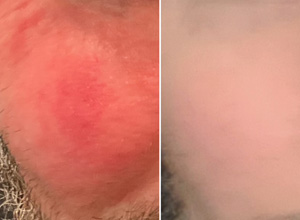
Rosacea is a chronic skin condition that can cause persistent facial redness, flushing, visible blood vessels, and acne-like breakouts. While rosacea cannot be cured, effective treatment can significantly reduce symptoms, prevent flare-ups, and improve skin appearance. If you are looking for rosacea treatment in NYC, Dr. Debra Jaliman has been helping patients manage rosacea in her Upper East Side Manhattan dermatology practice since 1985.
As a board-certified dermatologist and Assistant Clinical Professor at the Icahn School of Medicine at Mount Sinai, Dr. Jaliman develops personalized rosacea treatment plans based on each patient’s symptoms, triggers, skin type, and treatment history. Many patients seek her care after struggling with persistent redness, flushing, or rosacea breakouts that have not responded to previous treatments.
Treatment options may include prescription topical medications, custom-compounded formulations such as a 2% metronidazole moisturizer and AzaSmooth® 12% azelaic acid cream, oral doxycycline for moderate to severe rosacea, and advanced laser treatments including IPL and Laser Genesis to reduce redness and visible blood vessels.
To schedule a rosacea consultation in NYC, call .

Types of Rosacea
Rosacea presents in several different forms, and many patients experience features of more than one subtype at the same time. Because treatment varies depending on the symptoms present, an accurate diagnosis by a board-certified dermatologist is essential. Dr. Jaliman evaluates each patient’s symptoms, triggers, and medical history to develop a personalized rosacea treatment plan.
Erythematotelangiectatic Rosacea (ETR) is characterized by persistent facial redness, frequent flushing, and visible blood vessels (telangiectasias), particularly on the cheeks and nose. Treatment may include topical prescription medications, anti-inflammatory skincare, and laser treatments such as IPL or Laser Genesis to reduce redness and visible blood vessels.
Papulopustular Rosacea is often mistaken for adult acne and causes red bumps, pustules, and inflammation in the central face without blackheads. Treatment may include topical metronidazole, azelaic acid, oral doxycycline, and customized skincare designed to reduce inflammation and prevent flare-ups.
Phymatous Rosacea causes progressive thickening of the skin, most commonly affecting the nose, a condition known as rhinophyma. This form is more common in men and may require laser resurfacing, radiofrequency treatment, or, in advanced cases, surgical correction.
Ocular Rosacea affects the eyes and eyelids, causing redness, dryness, burning, irritation, tearing, or a gritty sensation. Ocular rosacea may occur with or without visible facial symptoms. Treatment can include oral medications, eyelid hygiene measures, medicated eye drops, and collaboration with an ophthalmologist when appropriate.
What Causes Rosacea?
The exact cause of rosacea is not fully understood, but research suggests it results from a combination of genetic, immune, vascular, and environmental factors. Rosacea often runs in families and is more common in individuals with fair skin. Studies have also found that people with rosacea may have a higher density of Demodex mites on the skin, which can contribute to inflammation and flare-ups.
Researchers believe rosacea involves an overactive immune response and abnormalities in the skin’s blood vessels, leading to persistent redness, flushing, and inflammation. Emerging research has also identified a connection between rosacea and the hypothalamic-pituitary-adrenal (HPA) axis, which may help explain why stress, anxiety, and hormonal changes can trigger or worsen symptoms.
Common Rosacea Triggers
While the underlying causes of rosacea cannot always be controlled, many patients can reduce flare-ups by identifying and avoiding their personal triggers. Common rosacea triggers include:
- Sun exposure
- Heat and hot weather
- Spicy foods
- Alcohol
- Vigorous exercise
- Hot beverages
- Emotional stress
- Harsh skincare products
- Sudden temperature changes
Rosacea Diagnosis and Treatment in NYC
Dr. Debra Jaliman has over 40 years of experience diagnosing and treating all types of rosacea, including erythematotelangiectatic, papulopustular, phymatous, and ocular rosacea. Every treatment plan is customized based on the patient’s symptoms, triggers, skin type, and medical history.
Treatment options may include:
- Prescription topical medications
- Oral medications
- Laser Genesis for facial redness
- IPL (Intense Pulsed Light) therapy for visible blood vessels
- Medical-grade skincare products
- Trigger identification and lifestyle recommendations
If you are experiencing persistent facial redness, flushing, visible blood vessels, or acne-like breakouts, Dr. Jaliman can determine whether rosacea or another skin condition is responsible. A comprehensive skin examination helps identify the rosacea subtype and develop the most effective treatment plan for long-term control.
Diagnosing Rosacea
How Is Rosacea Diagnosed?
Rosacea is diagnosed through a thorough medical history and skin examination by a board-certified dermatologist. Because there is no single laboratory test for rosacea, the diagnosis is based on your symptoms, medical history, and the characteristic appearance of your skin.
During your visit, Dr. Jaliman evaluates the pattern of facial redness, flushing, visible blood vessels, acne-like bumps, skin sensitivity, and any eye symptoms to determine which subtype of rosacea is present. She also reviews potential triggers, including sun exposure, heat, spicy foods, alcohol, stress, medications, and skincare products that may be contributing to flare-ups.
When appropriate, additional testing may be recommended to rule out conditions that can resemble rosacea, such as lupus, seborrheic dermatitis, allergic contact dermatitis, or perioral dermatitis.
Once rosacea is diagnosed, Dr. Jaliman develops a personalized treatment plan based on your rosacea subtype, skin type, symptom severity, and individual triggers. The goal is to reduce redness and inflammation, control flare-ups, improve your skin’s appearance, and help prevent the condition from progressing.
Rosacea Treatment Options
What Are the Newest Treatments for Rosacea?
Rosacea treatment has advanced significantly in recent years, with newer therapies providing better control of facial redness, inflammation, visible blood vessels, and acne-like breakouts. Advanced prescription topical medications target the underlying inflammation more effectively and are often better tolerated than older treatments. For persistent redness and broken blood vessels, Laser Genesis is one of the newest laser technologies used to reduce diffuse redness, stimulate collagen production, and improve overall skin tone with little to no downtime.
The most effective rosacea treatment is personalized based on your rosacea subtype, symptoms, skin sensitivity, and severity. A board-certified dermatologist can develop a customized treatment plan that may combine prescription medications, laser therapy, and skincare recommendations to achieve the best long-term results.
Which Laser Treatment Is Best for Rosacea?
The best laser treatment for rosacea depends on your symptoms and the severity of your condition.
For patients with persistent facial redness and diffuse flushing, Laser Genesis is an excellent option because it gently reduces redness, improves skin tone, stimulates collagen production, and requires little to no downtime. If prominent visible blood vessels are the primary concern, vascular lasers may also be recommended. A board-certified dermatologist can determine which laser treatment is best based on your rosace subtype, skin type, and treatment goals to create a personalized plan for long-lasting improvement.
Can Rosacea Be Cured?
No. Rosacea cannot be permanently cured, but it can be effectively controlled with the right treatment plan. Rosacea is a chronic inflammatory skin condition that tends to fluctuate over time, with periods of improvement followed by flare-ups.
With consistent treatment, appropriate skincare, and avoidance of personal triggers, many patients achieve long-term remission with significantly less redness, fewer inflammatory bumps, reduced flushing, and healthier-looking skin. Early treatment is especially important because it can help prevent rosacea from progressing and reduce the risk of developing more severe changes, such as persistent visible blood vessels or skin thickening.
Although rosacea requires ongoing management, most patients can keep their symptoms well controlled and maintain clearer skin with regular follow-up and a personalized treatment plan.
Do Oral Prescription Medications Help Rosacea?
Oral medications play an important role in managing moderate to severe rosacea. Low-dose doxycycline is among the most commonly prescribed options, working to reduce inflammation and control papules and pustules without the antibiotic resistance associated with higher doses. In some cases, oral medications are used alongside topical treatments for a more comprehensive approach.
Laser Genesis for Rosacea
Laser Genesis is a gentle, non-invasive treatment well suited to patients with diffuse redness, flushing, and sensitive skin. By delivering controlled heat into the dermis, it stimulates collagen production while reducing inflammation and calming reactive blood vessels, all without disrupting the skin’s surface. Most patients benefit from a series of four to six sessions, typically spaced two to four weeks apart.
Intense Pulsed Light (IPL) Therapy for Rosacea
IPL therapy uses broad-spectrum light energy to selectively target and collapse the dilated blood vessels responsible for rosacea-related redness and broken capillaries. Treated vessels are gradually reabsorbed by the body, resulting in visibly reduced redness and a more even complexion. IPL is particularly effective for patients with prominent vascular rosacea and persistent facial redness.
Is Laser Treatment Effective for Rosacea?
Laser therapy is highly effective for reducing persistent facial redness and visible blood vessels associated with rosacea. By precisely targeting dilated blood vessels beneath the skin while preserving surrounding tissue, laser treatment addresses the vascular component of rosacea that topical medications alone often cannot fully resolve. Results vary based on rosacea subtype and severity, and a series of treatments is typically needed for optimal improvement.
Who Is a Good Candidate for Rosacea Laser Treatment?
Patients with persistent facial redness, flushing, or visible capillaries that have not responded adequately to topical or oral therapies are often well-suited candidates for rosacea laser treatment. Dr. Jaliman evaluates each patient’s skin type, rosacea subtype, severity, and treatment goals before recommending a specific laser modality, whether Laser Genesis, IPL, or the CoolGlide laser.
How Many Laser Treatments Are Needed for Rosacea?
The number of laser treatments needed for rosacea depends on the severity of redness, degree of vascular involvement, and the specific laser modality used. Laser Genesis typically requires four to six sessions spaced two to four weeks apart, while IPL protocols may vary based on individual skin response. Dr. Jaliman determines the appropriate treatment plan during the initial consultation and adjusts as results progress.
What Is Better for Rosacea, IPL or Laser Genesis?
Neither IPL nor Laser Genesis is universally superior, the right choice depends on the patient’s rosacea subtype, skin tone, and predominant symptoms. IPL is particularly effective for prominent broken capillaries, discrete visible blood vessels, and moderate to severe vascular rosacea. Laser Genesis tends to be better suited to patients with diffuse redness, flushing, and sensitive skin who require a gentler approach. In some cases, both modalities are used together as part of a comprehensive treatment plan. Dr. Jaliman evaluates each patient individually to determine the most appropriate laser therapy or combination approach.
Is rosacea a type of acne?
No. Both conditions can cause facial redness and pimple-like bumps, which is why rosacea is frequently mistaken for acne, but they have different causes and require different treatments. Acne is driven by clogged pores, excess oil, and bacteria. Rosacea is a chronic inflammatory condition characterized by flushing, persistent redness, and visible blood vessels. Treating rosacea with acne products can actually worsen symptoms.
If you’re unsure which condition you have, schedule a consultation with Dr. Jaliman for an accurate diagnosis and a treatment plan tailored to your skin.


Skin Conditions Often Mistaken for Rosacea
Rosacea is frequently misdiagnosed because several skin conditions share overlapping symptoms. The most common is acne vulgaris, both can cause facial bumps and redness, but acne involves blackheads, whiteheads, and cysts driven by clogged pores, while rosacea is a chronic inflammatory condition with flushing and visible vessels.
Other conditions commonly confused with rosacea include:
Polymorphic light eruption: a sun-triggered rash that can mimic rosacea flare-ups
Perioral dermatitis: red bumps around the mouth and nose, without widespread facial redness
Eczema (atopic dermatitis): dry, itchy patches, more common in children
Lupus: an autoimmune condition with a butterfly-shaped facial rash and systemic involvement
An accurate diagnosis is essential because treating the wrong condition can worsen your skin. Dr. Jaliman performs a thorough evaluation to distinguish rosacea from these conditions and designs a targeted treatment plan.
Why See Dr. Debra Jaliman for Rosacea Treatment?
If you’ve been struggling with persistent facial redness, flushing, or rosacea flare-ups that haven’t responded to treatment, Dr. Jaliman can help. With over 40 years treating rosacea in NYC, including complex and treatment-resistant cases, she accurately distinguishes rosacea from conditions that mimic it, such as lupus or seborrheic dermatitis, ensuring the right diagnosis from the start.
Dr. Jaliman treats all rosacea subtypes, including erythematotelangiectatic rosacea, papulopustular rosacea, with a personalized plan based on your specific triggers, skin type, and sensitivity. During your visit she will:
- Recommend prescription topical treatments for rosacea
- Discuss oral rosacea medications if appropriate
- Guide you on rosacea-safe skincare routines
- Suggest makeup for rosacea-prone skin
- Share lifestyle strategies to reduce flare-ups
For more information, visit the National Rosacea Society. To schedule a consultation at her Upper East Side practice, call .
Rosacea treatment in NYC by a board-certified dermatologist since 1985.


