
 Products
Melasma Treatment Tailored to Your Skin Type
Treating melasma requires more than a standard lightening cream. Melasma is a chronic, hormonally driven pigmentation condition, stubborn by nature and prone to recurrence without a long-term melasma treatment plan. Board-certified dermatologist Dr. Debra Jaliman offers advanced, personalized melasma treatment in NYC tailored to your skin type, pigmentation depth, hormonal triggers, and lifestyle from her Upper East Side Manhattan dermatology practice.
Whether your discoloration appears brown or grey, and whether it affects your cheeks, forehead, nose, or upper lip, Dr. Jaliman designs each treatment plan to fade existing pigmentation and prevent recurrence, not just temporarily improve it.
With more than 40 years of experience in medical and cosmetic dermatology, Dr. Jaliman combines prescription therapies, advanced laser technology, and proven topical treatments to deliver lasting results. As an Assistant Clinical Professor at the Icahn School of Medicine at Mount Sinai, she brings academic-level expertise to every patient.
Causes of Melasma
Melasma develops when melanocytes, the pigment-producing cells in the skin, become overactive. At her Manhattan dermatology practice, every patient seeking melasma treatment begins with a thorough skin evaluation to help guide an appropriately tailored treatment plan.
Melasma Treatment Options in NYC
Dr. Jaliman draws on a full range of prescription and in-office therapies to treat melasma at every depth and severity level. Patients seek her expertise for stubborn melasma that has been difficult to control or has returned despite previous treatment.
Topical prescription treatments remain the foundation of melasma care. Dr. Jaliman typically begins with gentler custom-made prescription formulations such as azelaic acid, arbutin and kojic acid, which effectively suppress melanin production while remaining well tolerated by most skin types, including sensitive skin.
For melasma patients who need a stronger response, she may progress to hydroquinone, the gold standard for melanin suppression, prescribed in medical-grade concentrations not available over the counter, and often combined with tretinoin and a mild corticosteroid in a triple-combination formula for accelerated results.
Tranexamic acid has emerged as one of the most significant advances in melasma treatment in recent years. It works by blocking the biochemical pathway that triggers excess melanin production, addressing pigmentation at its source rather than simply treating the surface. Dr. Jaliman offers it both as an oral prescription and in topical form depending on the patient’s presentation and medical history, and it has shown strong clinical results for moderate to severe melasma, particularly in patients who have not responded fully to topical therapies alone.
Revlite laser treatment is Dr. Jaliman’s preferred laser for melasma. The Revlite uses Q-switched Nd:YAG technology to deliver precise energy that breaks up excess pigment without damaging surrounding tissue. It is a gentle, no-downtime procedure that works effectively across multiple skin tones and is particularly well suited for patients with recurring or treatment-resistant melasma. A series of sessions is typically recommended for optimal results.
Chemical peels using glycolic, lactic, or salicylic acid exfoliate the skin’s surface layers to accelerate pigment turnover, improve skin texture, and enhance the penetration of prescription topicals. Dr. Jaliman selects peel strength and formulation based on your skin’s sensitivity and treatment history.
Consistent sun protection is essential to maintaining results, more on that below.
Melasma Treatment for Skin of Color in NYC
Patients with medium to deep skin tones, including those of South Asian, East Asian, Hispanic, Middle Eastern, and African descent, face a particular challenge with melasma treatment. Many lasers and aggressive peels that work well on lighter skin carry a real risk of post-inflammatory hyperpigmentation (PIH) in darker skin tones, potentially worsening discoloration rather than improving it. Dr. Jaliman regularly uses Revlite laser on darker skin tones in her practice, with a strong track record and no history of complications, along with topical and oral tranexamic acid and customized prescription formulations for patients at higher risk of PIH.
Why Patients Choose Dr. Jaliman for Melasma Treatment
Dr. Jaliman has extensive experience treating melasma, and patients often seek her out specifically after other treatments have failed to deliver lasting results. She begins with a comprehensive skin evaluation, tracks progress with before-and-after photography, and builds a personalized melasma treatment plan designed not just to fade existing pigmentation but to prevent recurrence long-term.
Every consultation is with Dr. Jaliman directly.
Melasma Consultation: Book Your Appointment
If previous melasma treatments haven't delivered lasting results, a consultation with Dr. Jaliman can identify what's been missed and build a plan that addresses your specific triggers. Call her office at or book your melasma consultation online. Her Manhattan practice welcomes patients from across the city.
Melasma Treatment Results by Dr. Debra Jaliman
See before-and-after results from patients who received customized melasma treatments at our Upper East Side dermatology office.


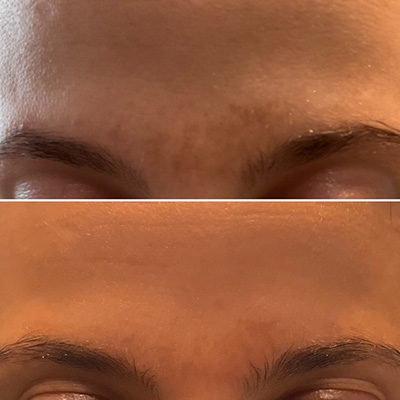
Here is what one of her patients said on Google about their melasma treatment:
Neelam Mahtani

"...after years of struggling to find the right solution for my hyperpigmentation. I had tried everything... They put me on a treatment plan that truly transformed my skin. I won’t be going anywhere else!" Read the original Google Review.
Table of Contents
What is melasma?
Melasma is a common skin condition that causes brown or grayish patches to appear on the face, typically on the cheeks, forehead, nose, and upper lip. While it is not harmful, melasma can affect confidence due to uneven skin tone and facial discoloration.
At Dr. Debra Jaliman’s dermatology office, personalized melasma treatments combine medical-grade skincare, prescription creams, chemical peels, and laser therapy to restore a clear, even complexion safely and effectively. Early treatment and daily sun protection are essential to prevent melasma from worsening or recurring.
Factors That Trigger Melasma
Sun exposure
Sun exposure is the number-one trigger for melasma, as ultraviolet (UV) and visible light stimulate excess melanin production. This leads to brown patches, darkening of existing pigmentation, and frequent flare-ups-especially on the cheeks, forehead, upper lip, and nose. Even small amounts of incidental sun (like walking to work or sitting near a window) can worsen melasma. Daily broad-spectrum SPF 30+, protective hats, and seeking shade are essential to prevent recurrence and maintain long-term clarity.
Hormonal fluctuations
Hormonal changes are one of the most powerful triggers of melasma. Shifts in estrogen and progesterone–such as during pregnancy, birth control use, fertility treatments, or hormonal imbalances-can overstimulate melanocytes and lead to dark patches on the face. This form of melasma, often called "pregnancy mask" or chloasma, can deepen with even minimal sun exposure. Stabilizing hormones when possible and following a strict daily sun-protection routine are key to controlling hormonally driven melasma.
Thyroid disease
Thyroid disorders, including both hypothyroidism and hyperthyroidism, have been linked to stubborn, treatment-resistant melasma. Hormonal disruptions in thyroid disease can increase melanocyte activity, making pigmentation darker and more persistent.
Proper diagnosis and thyroid management-combined with targeted melasma treatments-helps improve overall skin clarity. Patients with thyroid-related melasma must be especially diligent with sun protection, as UV exposure can intensify discoloration.
Causes & Risk Factors of Melasma
Melasma develops when melanocytes, the pigment-producing cells in the skin, become overactive. The most common triggers include UV and visible light exposure, hormonal fluctuations from pregnancy, birth control, fertility treatments, or other hormonal imbalances, genetics, and thyroid dysfunction (both hypothyroidism and hyperthyroidism), which can lead to more stubborn, treatment-resistant pigmentation.
Hormonally driven melasma, sometimes called “chloasma” or “pregnancy mask,” can deepen with even minimal sun exposure, including incidental exposure like walking outside or sitting near a window, which is why daily broad-spectrum SPF 30+ is essential regardless of the underlying trigger.
Because melasma has both surface-level and deeper dermal components, effective treatment requires addressing the underlying cause, including thyroid management when relevant, not just the visible pigment.
Can Hormonal Birth Control or an IUD Cause Melasma?
Yes. Hormonal birth control, including the pill, hormonal IUDs, implants, and patches, can trigger or worsen melasma. This happens because increased estrogen and progesterone stimulate the skin's melanocytes, causing them to produce more pigment when exposed to sunlight or heat.
Can LED Screens or Blue Light Worsen Melasma?
Yes. LED screens emit blue light (high-energy visible, or HEV, light), which can worsen melasma and hyperpigmentation over time. Frequent exposure to phones, tablets, or computer screens without proper skin protection may increase melanin production.
Applying broad-spectrum sunscreen with blue light protection, antioxidants, and vitamin C serum can help reduce oxidative stress and prevent worsening pigmentation.
Can Melasma Get Worse Indoors or From Sunlight Through Windows?
Absolutely. UV rays and visible light can pass through glass, meaning your skin is still exposed even indoors or in your car.
Over time, this exposure can reactivate dormant melasma or cause dark spots to deepen.
Dr. Jaliman recommends wearing broad-spectrum SPF 30–50 daily, even inside, and reapplying every two hours if you sit near a window or drive frequently.
Melasma Symptoms and Diagnosis
What are the symptoms of melasma?
Melasma typically presents as flat brown or grayish-brown patches on the skin. These areas are not raised and do not cause pain, itching, burning, or stinging. The discoloration is purely cosmetic and does not affect the skin's texture or health.
Because melasma symptoms are limited to changes in skin pigmentation, many patients first notice it after sun exposure or during hormonal changes such as pregnancy or birth control use.
How is melasma diagnosed?
Melasma is diagnosed by a board-certified dermatologist through a thorough visual skin examination, evaluating the pigmentation pattern and your medical history to guide the most effective treatment approach.
Prevention and Precautions for Melasma
Preventing flare-ups is just as important as treating existing pigmentation. A consistent daily sun-protection routine helps reduce hyperpigmentation, prevent recurrence, and maintain a more even, radiant complexion long after in-office treatment ends.
Sunscreen for Melasma
Dr. Debra Jaliman recommends:
- Apply a mineral sunscreen (zinc oxide or titanium dioxide) to block surface-level UV rays
- Reapply every 1.5 to 2 hours, especially outdoors or near windows
- Use a tinted mineral sunscreen for added protection against visible and blue light
- Avoid shiny or oily finishes, which can reflect UV rays and intensify pigmentation
Protective Clothing & Accessories
UPF-rated clothing offers measurable protection: UPF 50+ blocks about 98% of UV radiation, UPF 30 blocks about 96.7%, and UPF 15 blocks about 93.3%. Pairing UPF clothing with these habits further reduces UV exposure:
- Wide-brimmed hats to shield the forehead, cheeks, and upper lip
- UV-blocking sunglasses to protect the eye area
- Light, long sleeves in UPF-rated fabric during peak sun hours
- Umbrellas or shade-seeking when walking outdoors
These physical barriers help prevent recurrent darkening and allow professional melasma treatments to work more effectively.
Daily Sun Safety Habits
- Limit direct sun exposure between 10 a.m. and 4 p.m.
- Seek shade whenever possible
- Avoid tanning beds and hot yoga in direct sunlight
*Combine professional treatments with strict at-home sun protection for lasting results
Treatment Options for Melasma
Melasma can be treated with a combination of topical creams, chemical peels, laser therapies, and other in-office procedures. The most effective treatment plan depends on your skin type, pigmentation severity, and lifestyle. Below, Dr. Debra Jaliman answers the most common questions about melasma treatments, what to expect, and how to maintain results.
Topical and Prescription Treatments for Melasma
Is melasma treatable?
Yes. While melasma can be persistent, it is treatable with a combination of topical medications, in-office procedures, and consistent sun protection. Early intervention and a customized treatment plan can significantly reduce pigmentation and improve skin tone.
Which ingredients help fade melasma?
Key ingredients include:
- Hydroquinone – a gold-standard depigmenting agent
- Tretinoin (retinoids) – boosts skin cell turnover
- Azelaic acid – reduces pigmentation and inflammation
- Kojic acid & arbutin – brightening agents
- Vitamin C – antioxidant that supports even skin tone
Are prescription topical medications effective for fading melasma?
Yes. Prescription creams can be highly effective, especially when tailored to your skin type. They work by inhibiting melanin production and promoting skin cell turnover. Results are gradual and require consistent use.
In-Office Processes for Melasma
Are chemical peels effective for melasma?
Yes. Superficial or medium-depth chemical peels (like glycolic acid, salicylic acid, or TCA) help remove pigmented skin layers and promote cell turnover. They are most effective when combined with topical therapy and strict sun protection.
Can melasma be treated with lasers?
Yes, but lasers must be used carefully. Targeted laser treatments (like Q-switched or fractional lasers) can reduce pigmentation, especially in stubborn or deeper melasma. Treatment should always be performed by an experienced dermatologist, as some lasers can worsen pigmentation if misused.
Results & Prognosis
Can melasma be cured?
Melasma cannot always be permanently cured. It is a chronic condition that can be managed effectively with treatment, sun protection, and lifestyle adjustments. Many patients achieve significant improvement but may require ongoing maintenance.
How long does it take to see results from melasma treatment?
Results vary depending on the treatment type, skin type, and severity. Topical treatments may show improvement in 6–12 weeks, while lasers or chemical peels can accelerate results. Consistency and sun protection are key.
Are there things that should be avoided with melasma?
Yes. To prevent worsening or recurrence:
- Avoid excessive sun exposure and tanning beds
- Avoid harsh exfoliants or irritating skincare
- Limit triggers like certain hormonal medications if possible
- Maintain consistent sun protection and topical treatments
Top Melasma Treatment Tips in NYC
If you’re struggling with melasma, here are the most effective dermatologist-recommended strategies to help fade dark patches and improve your skin tone:
- Topical Treatments:Use prescription or medical-grade creams with ingredients likehydroquinone, tretinoin, azelaic acid, kojic acid, or vitamin C. These can lighten pigmentation safely when used consistently.
- Chemical Peels:Professional peels with glycolic acid, salicylic acid, or TCA help exfoliate pigmented skin and enhance the results of topical treatments.
- Laser Therapy:Treatments like Revlite, Fraxel, or IPL target stubborn pigment. A board-certified dermatologist can determine the best option for your skin type and pigmentation.
- Sun Protection:Daily use of broad-spectrum sunscreen (SPF 30–50), wide-brimmed hats, sunglasses, and sun-protective clothing is essential to prevent melasma from worsening.
Tip: Because melasma is chronic and triggered by multiple factors, a personalized treatment plan from an experienced dermatologist like Dr. Debra Jaliman ensures safe, effective, and lasting results.
At-Home Skincare for Melasma
To support in-office treatments and maintain results, Dr. Jaliman recommends medical-grade skincare products designed to fade pigmentation and even out skin tone:
- Prescription-strength creams: Combine hydroquinone and tretinoin to lighten dark patches and improve texture.
- Azelaic acid creams (AzaSmooth 12%): Calms inflammation and reduce pigmentation, suitable for sensitive skin.
- Kojic acid with Arbutin pigment pads: Targets stubborn dark spots for a brighter, more even complexion.
- Vitamin C serums (20%): Provide antioxidant protection, brighten the skin, and improve overall tone.
Dr. Jaliman will personalize the combination of these products to your skin type, pigmentation, and treatment plan, ensuring safe and effective results.
FAQs
Here are some of the frequently asked questions.
Understanding Melasma
Q: What’s the difference between melasma and other types of pigmentation?
Melasma is hormone and sun-related, usually appearing as symmetrical patches. Other pigmentation, like sunspots or acne marks, is caused by damage or inflammation and is often easier to treat.
Consultation
Q: How can I find the best dermatologist for melasma in NYC?
Research and choose a board-certified dermatologist experienced in treating melasma. Read reviews and testimonials, ask for recommendations, and schedule a consultation to discuss your needs and concerns. If you need a specialist for your melasma treatment, you can trust our state-of-the-art office at Debra Jaliman MD.
Safety
Q: What are the possible side effects of melasma treatment?
Potential side effects include redness, irritation, and temporary darkening; however, these are usually temporary and can be managed by your dermatologist.
Cost
Q: How much does melasma treatment cost in NYC?
The cost of melasma treatment in New York City varies widely, depending on factors such as the type of procedure and the number of sessions required. Sometimes it can be treated with custom formulated products. It is best to consult with Dr. Debra Jaliman, a melasma specialist.
Expert Melasma Treatment in NYC by Dr. Debra Jaliman
Dr. Debra Jaliman, board-certified NYC dermatologist, provides personalized melasma treatments that fade pigmentation and restore a smoother, more even complexion-even for patients who have not improved with other therapies.
Many patients who have struggled with melasma for years finally see real improvement through Dr. Jaliman’s personalized melasma treatment approach, designed for their specific skin tone, type, and sensitivity.
Why Choose Dr. Jaliman:
- Customized skin care formulations created by Dr. Jaliman
- Non-laser melasma treatments for sensitive or laser-resistant skin
- Combination therapies targeting hyperpigmentation
- Decades of expertise in melasma and hyperpigmentation
Advanced laser treatments for all skin types
Dr. Jaliman offers advanced laser treatments tailored to your skin type and melasma depth, ensuring safe effective results with minimal downtime. Laser melasma treatment is combined with specific products for maximum improvement.
Personalized At-Home Skincare
Patients also receive customized at-home regimens to enhance in-office results and prevent recurrence. These products help even skin tone, reduce inflammation, and strengthen the skin barrier for a radiant, healthy glow.
Schedule Your Consultation in NYC
Take the first step toward a clearer, more even complexion. Call or request an appointment online with Dr. Jaliman, a leading NYC dermatologist for melasma, hyperpigmentation, and advanced laser treatments.
Content reviewed by:
Debra Jaliman, M.D., Board-Certified Dermatologist, New York City
Last updated: November 2025
Melasma treatment in NYC by a board-certified dermatologist since 1985.


