
 Products
 Book Appointment
Botox is one of the most requested treatments in my practice, and the question I hear most often is simple: how long will it last? On average, Botox lasts three to four months, but the real answer depends on where it’s injected, how your body metabolizes it, and a few lifestyle factors you can actually control. Here’s what to expect.
Average Duration
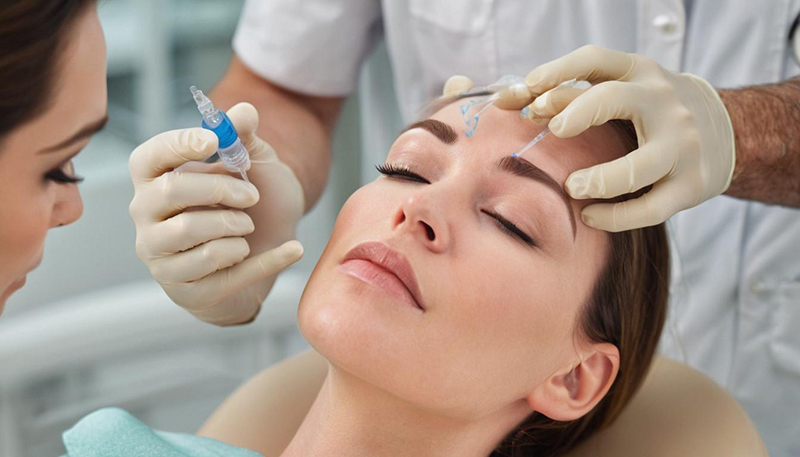
Most patients see results for three to four months. Some notice the effect fading closer to the two-month mark, while others, particularly those with less muscle activity in the treated area or a slower metabolism, can maintain results for up to six months. This range is normal, and it’s one of the reasons an initial consultation and a follow-up visit matter: they let us calibrate dosing to your anatomy and your goals.
Duration by Facial Area
Different muscles wear off Botox at different rates, mainly because of how often they’re used and how strong they are.
- Forehead lines: Typically 3–4 months. Frequent eyebrow movement tends to metabolize Botox faster here.
- Frown lines (glabellar lines): Usually 3–4 months, similar to the forehead.
- Crow’s feet: Generally 3–4 months, sometimes extending toward 5–6 months in patients with less orbital muscle activity.
- Neck bands: Effects often last up to 4 months; this area may require a slightly different dosing approach given the size of the muscle group.
These are averages, not guarantees. Your own results will depend on your anatomy and how your body processes the toxin.
What Affects How Long Botox Lasts
A few factors consistently influence duration:
- Muscle strength and activity. Stronger, more frequently used muscles metabolize Botox faster.
- Dose. Higher doses generally last longer, which is why proper dosing by an experienced injector matters.
- Injector technique. Precise placement affects both how natural your results look and how long they hold.
- Metabolism. A faster metabolism tends to break down Botox more quickly.
- Lifestyle. Smoking and heavy sun exposure can shorten how long results last; consistent use of sunscreen and good skin care support longer-lasting results.
- Treatment consistency. Some patients find that with regular treatments over time, the treated muscles become conditioned to relax, which can modestly extend the interval between sessions. This varies by individual and shouldn’t be assumed.
What to Expect After Treatment

Results aren’t immediate. Most patients start noticing subtle changes within 3–5 days, with the full effect visible by around day 10. Avoid lying down or strenuous activity for the first hour after injection to reduce the risk of the product migrating from the treated area.
Making Results Last Longer
Botox and dermal fillers are often combined for a more complete approach to facial rejuvenation. Botox addresses movement and related lines, while fillers restore volume. Adding a treatment like laser skin resurfacing or a light chemical peel can also improve overall skin texture alongside your Botox results. Daily sunscreen and a consistent skin care routine help protect your results between sessions.
Choosing an experienced, board-certified injector is one of the most reliable ways to get results that look natural and last as long as they should. Learn more about Botox treatment or schedule a consultation with Dr. Jaliman to build a plan around your goals.
Frequently Asked Questions
How often should Botox be repeated to maintain results?
Most patients schedule touch-ups every 3–6 months, depending on individual factors like metabolism and muscle strength. A personalized schedule is best worked out with your dermatologist.
Does Botox last differently in different areas of the face?
Yes. Areas with stronger, more active muscles, like the forehead and glabella, tend to need more frequent touch-ups than areas with less movement.
Are there risks associated with long-term Botox use?
Botox has a strong long-term safety record when administered by a qualified provider. Common side effects include temporary bruising, swelling, or redness at the injection site. Serious complications, such as muscle weakness or difficulty swallowing or breathing, are rare but require immediate medical attention if they occur.
Can lifestyle choices extend how long Botox lasts?
Yes, to a degree. Regular exercise, a diet rich in antioxidants, daily SPF, and avoiding smoking can all support longer-lasting results, though the biggest factors remain dose, technique, and individual metabolism.


