
 Products
 Request An Appointment
Personalized Acne Treatment in NYC for Adult, Hormonal & Cystic Acne

Best Acne Treatment in NYC for Clear Skin
Finding effective acne treatment in NYC can be frustrating when breakouts persist despite over-the-counter products or previous prescriptions. At her Upper East Side Manhattan practice, board-certified dermatologist Dr. Debra Jaliman provides advanced acne treatment in NYC for adult acne, hormonal acne, cystic acne, and chronic breakouts.
With more than 30 years of dermatology experience, she combines medical expertise with personalized care to help patients achieve clearer skin.
Patients searching for the best acne treatment in NYC trust Dr. Jaliman for her ability to accurately diagnose the underlying causes of acne and create customized acne treatment plans. Her comprehensive approach focuses on clearing active breakouts, reducing inflammation and redness, preventing future flare-ups, minimizing acne scars and dark spots, and restoring overall skin health. By combining medical therapies, advanced procedures, and medical-grade skincare, she helps patients achieve long-term results rather than temporary improvements.
Personalized Acne Treatment Plans in NYC
Successful acne treatment in NYC begins with identifying the underlying cause of breakouts. During your consultation, Dr. Jaliman evaluates each patient’s skin type, acne severity, hormonal influences, diet, stress levels, and skincare routine to create an acne treatment plan. She carefully reviews your skincare and cosmetic products to determine whether ingredients may be clogging pores or triggering inflammation.
This science-based approach allows Dr. Jaliman to treat both visible acne and the underlying factors contributing to breakouts. Conditions commonly treated include adult acne, hormonal acne, cystic acne, inflammatory acne, stress-related breakouts, and post-acne discoloration or scarring.
Advanced Acne Treatments in NYC
Dr. Jaliman offers a full range of advanced acne treatments in NYC, combining prescription therapies within office, dermatologic procedures to speed healing and prevent long-term skin damage.
Each treatment plan may incorporate prescription topical medications, medical-grade skincare, and oral medications for hormonal or cystic acne.
For stubborn or severe cases, she provides professional acne extractions, cortisone injections for painful cysts, laser and light-based acne therapies, and chemical peels to unclog pores and improve skin texture. She also offers Fraxel® laser treatments to reduce acne scars and restore even skin tone. These treatments work together to clear breakouts, calm inflammation, and minimize the risk of permanent scarring, with minimal downtime.
Why Patients Choose Dr. Jaliman for Acne Treatment in NYC
Dr. Debra Jaliman is widely recognized as a leading acne dermatologist in NYC, known for treating acne at its source rather than simply addressing surface symptoms. Her individualized, results-driven approach helps patients achieve clearer skin while preventing future breakouts and acne scars.
Patients trust her detailed approach, from personalized skincare guidance to advanced procedures. Nationally recognized, with decades of clinical experience in acne, Dr. Jaliman is a leading choice for acne treatment in New York City.
Schedule Your Acne Consultation in NYC
For the best acne treatment NYC has to offer, trust Dr. Debra Jaliman. She provides personalized care for adult acne, hormonal acne, cystic acne, and acne scars using proven medical therapies and advanced dermatologic treatments. She has helped patients across New York City with their acne.
Call (212) 517-8855 or book online to meet a trusted NYC acne specialist and take the first step toward clearer skin.
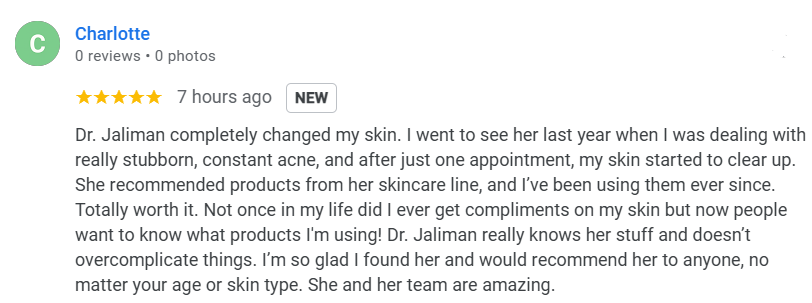
A patient shares their experience on Google from June 25, 2025
Acne Treatment NYC: Quick Answers From a Dermatologist
Looking for fast answers about acne treatment in New York City? Here are expert insights from board-certified dermatologist Dr. Debra Jaliman.
What is the best acne treatment in New York City?
The best acne treatment depends on acne type and severity. A board-certified dermatologist may combine topical prescriptions, oral medications, hormonal therapy, in-office procedures, and medical-grade skincare to clear breakouts and prevent scarring.
When should I see a dermatologist for acne?
You should see a dermatologist if acne is painful, cystic, causing dark spots or scars, or not improving after 6–8 weeks of over-the-counter treatment. Early professional treatment helps prevent permanent scarring and faster, more effective results.
Why do I still have acne as an adult?
Adult acne is commonly caused by hormonal fluctuations, stress, genetics, and pore-clogging skincare or makeup. Women commonly experience breakouts around menstrual cycles or menopause. Identifying triggers and using personalized treatment helps control persistent acne.
How long does acne treatment take to work?
Most acne treatments begin improving skin within 4–8 weeks, with clearer skin developing over several months. Consistent use and dermatologist guidance help achieve faster, longer-lasting results.
How do dermatologists treat hormonal acne?
Hormonal acne treatment may include spironolactone, birth control pills, oral medications, and topical prescriptions to regulate oil production and reduce inflammation. Personalized treatment plans help prevent deep cysts, scarring and recurrent breakouts.
Can skincare or makeup cause acne?
Yes. Certain ingredients can clog pores and trigger breakouts. Ingredients like heavy oils and waxes may contribute to acne. Having a dermatologist review product ingredients can help prevent hidden acne triggers.
What Distinguishes Dr. Jaliman's Approach to Acne Treatment in New York City
Dr. Jaliman’s approach to acne treatment in NYC is defined by exceptional attention to detail and highly individualized care. As a board-certified dermatologist and acne specialist she evaluates each patient’s skin type, acne triggers, hormonal influences, lifestyle factors, and treatment history to develop a customized acne treatment plan.
This comprehensive approach is especially effective for adult acne, hormonal acne, cystic acne, and treatment-resistant breakouts that have not responded to standard therapies.
In addition to in-office medical treatments, Dr. Jaliman has developed a specialized skincare line formulated with prescription-strength active ingredients alongside soothing, non-comedogenic cleansers, toners, serums, and moisturizers. These formulations are designed to be highly effective while remaining gentle enough for sensitive, inflamed, acne-prone skin.
Customized skincare is combined with targeted prescription medications and advanced in-office procedures when appropriate, allowing Dr. Jaliman to treat both active breakouts and underlying causes. Her results-driven approach helps patients achieve clearer skin, reduce inflammation, and prevent future flare-ups.
Acne NYC: Understanding Acne
What causes acne, and why do breakouts happen?
Acne develops when pores become clogged with excess oil (sebum), dead skin cells, and acne-causing bacteria. Hormonal changes, such as puberty, menstruation, pregnancy, or menopause, can increase oil production and trigger breakouts. Other factors like stress, heavy skincare or makeup, humidity, sweat, and pollution can worsen breakouts by trapping oil and bacteria and causing inflammation.
How common is acne, and who gets it?
Acne is one of the most common skin conditions worldwide, affecting up to 85% of people at some point in their lives. It can occur at any age, from teenagers to adults. At her New York City dermatology practice, Dr. Debra Jaliman treats acne patients every day, offering personalized acne treatment plans to help patients achieve clearer skin. Whether you have mild breakouts or severe, persistent acne, expert care from an NYC dermatologist can make a significant difference in your results.
Is acne genetic or hereditary?
Acne can be genetic or hereditary. If one or both parents had breakouts, you're more likely to develop acne as well. Genetics can influence oil production, inflammation, and how easily your pores clog, all of which increase the risk of persistent acne.
At Dr. Debra Jaliman's NYC dermatology office, we evaluate your skin, family history, and triggers to create the most effective acne treatment plan in NYC.
What are the best treatments for adult acne?
Adult acne is very treatable with the right dermatologist-guided plan. A board-certified dermatologist can combine prescription topical treatments, oral medications, and in-office acne procedures to reduce breakouts, and prevent long-term scarring.
At our NYC acne dermatology practice, we create an adult acne treatment plan based on your skin type, triggers, and hormonal factors. Most patients see improvement with medical facials, chemical peels, blue-light therapy, and dermatologist-formulated acne products to treat adult acne and reduce breakouts.
Can hormonal changes cause acne?
Yes. Hormonal acne is triggered by fluctuations in androgens, which increase oil production and lead to deep, cystic breakouts, especially on the jawline and chin. This often occurs during menstruation, perimenopause, pregnancy, or stress. At Dr. Debra Jaliman's NYC office, we offer targeted treatments for hormone-related breakouts.
Can acne return after treatment?
Yes, acne can return once treatment stops-especially if the underlying triggers (hormones, genetics, skincare products, stress) remain active. Long-term management, regular follow-ups, and using noncomedogenic products help maintain clear skin. Our NYC dermatology team creates ongoing plans to help prevent recurrence of your acne.
What’s the difference between acne scars and dark spots after acne?
Acne scars are permanent changes in skin texture, such as indentations or raised marks that are caused by deeper inflammation. Post-acne dark spots (post-inflammatory hyperpigmentation) are flat pigment changes that fade over time but can take months without treatment. At Dr. Debra Jaliman's NYC dermatology office, we offer treatments for both scars and discoloration.
Acne Treatment Options
What are my acne treatment options?
At Dr. Debra Jaliman’s NYC dermatology office, we offer a wide range of personalized acne treatments tailored to your skin’s unique needs. Topical options may include antibiotics, retinoids, and custom-formulated medications that reduce oil production, unclog pores, kill acne-causing bacteria, and calm inflammation.
For hormonal acne or more persistent breakouts, oral treatments such as doxycycline, minocycline, spironolactone, or birth control pills may be prescribed. In severe cases, Isotretinoin (Accutane) may be recommended as a highly effective option.
To further enhance results, we offer a variety of in-office treatments designed to complement your skincare plan. See below for our full menu of professional in-office procedures that can be combined into a customized, results-driven acne treatment plan.
General Acne Treatment
What oral medications are used to treat acne?
The best oral medications for acne depend on the type and severity of your breakouts. When topical products aren’t enough to control moderate to severe acne, cystic acne or acne that causes scarring. Doxycycline, Minocycline, or Saracyline are used.
For women, Spironolactone or birth control pills approved for acne.
For severe cystic acne, oral isotretinoin (Accutane) is the gold standard.
Dr. Jaliman will choose the best oral acne medication based on your acne type, severity and age, ensuring a safe and effective customized treatment plan.
How long does it take for acne treatment to work?
Most people begin to see improvement in acne within 4-6 weeks, but full results often take 8-12 weeks, depending on the treatment plan. Topical treatments usually work gradually, while oral acne medications, chemical peels, blue-light therapy, and other acne treatments may show faster or more noticeable results.
Consistency is key–stopping treatment too early can delay progress.
What are the newest prescription treatments for acne?
The latest prescription treatments for acne include advanced topical retinoids, combination creams, and newer options like Winlevi, a topical medication that blocks androgens in the skin.
For the most effective up-to-date, acne treatment plan see Dr. Jaliman who can customize the latest options to your skin type and acne severity.
Which acne treatment is best for my skin type?
The best acne treatment depends entirely on your skin type, whether you have oily, dry, sensitive, or combination skin. At Dr. Debra Jaliman's NYC dermatology practice, your skin is evaluated during a thorough consultation so we can determine what's driving your acne. We then design a customized acne treatment plan that may include topical medications, oral treatments, or targeted in-office procedures tailored to your skin's unique needs. Choosing the right treatment for your skin type helps clear acne more effectively, and prevents irritation.
When to Seek Professional Help
When should I see a dermatologist for acne?
You should see a dermatologist for acne if you have cysts, large nodules, or acne that causes scarring. If your acne does not respond to over-the-counter treatments, it's important to consult a board-certified dermatologist who can create a customized acne treatment plan. Seeking professional acne care early can prevent scarring, reduce breakouts, and help you achieve clear, healthy skin.
How do dermatologists create a personalized acne treatment plan?
Dermatologists create an acne treatment plan by evaluating your skin type, acne severity, and potential triggers such as hormones, stress, or skincare products. They design a customized acne strategy that may include topical treatments, oral medications, and in-office procedures to reduce breakouts, prevent scarring, and promote clear, healthy skin.
Hormonal & Severe Acne
What prescription treatments are most effective for hormonal acne?
The most effective prescription treatment for hormonal acne is spironolactone, a highly trusted oral medication that lowers androgen (hormone) levels to prevent deep, cystic breakouts-especially along the jawline, chin, and lower face. Many patients with adult female hormonal acne see significant improvement with this treatment. Additional options include Sarecycline, a targeted oral antibiotic for acne, and Accutane (Isotretinoin) for severe cystic acne that hasn't responded to other therapies. At Dr. Debra Jaliman's NYC dermatology office, your skin and hormone-related triggers are evaluated to create the most effective hormonal acne treatment plan for you.
Can birth control pills treat hormonal acne?
Yes, certain birth control pills can significantly improve hormonal acne by regulating hormone fluctuations that trigger excess oil production and breakouts. It's important to inform your dermatologist about any birth control you're taking, since some formulations can worsen acne while others can help clear it. Several FDA-approved birth control pills for acne, including Estrostep, Ortho Tri-Cyclen, and Yaz.
They work by reducing androgen activity, which helps control oil glands and prevent new hormonal breakouts.
Acne in Skin of Color / Skin Sensitivities
What acne treatments are safe for sensitive or darker skin?
Acne treatments for darker skin tones and sensitive skin must be carefully selected to prevent irritation and hyperpigmentation. At Dr. Debra Jaliman's NYC dermatology pratice, we customize treatment approaches using gentle topical medications, oral therapies, and in-office procedures designed specifically for skin of color. Our goal is to reduce acne effectively while protecting the skin's natural tone and minimizing the risk of dark spots or redness. Tailoring acne treatment to your unique skin type ensures safer results.
Side Effects & Triggers
What are the side effects of acne medications and treatments?
Acne medications and treatments can have side effects, which vary depending on the product. Common reactions include dryness, redness, peeling, and increased sensitivity, especially with retinoids or benzoyl peroxide. Oral medications may also cause temporary stomach upset or photosensitivity. If side effects occur, your dermatologist can adjust the dosage or switch to gentler alternatives to keep your acne treatment effective while protecting your skin barrier.
Does diet affect acne?
Diet can play a role in acne flare-ups, particularly foods that raise blood sugar quickly, such as sugary snacks, white bread, and processed carbs. Dairy, especially skim milk, may also worsen acne for some individuals due to its hormone content. While diet is not the sole cause of acne, many patients notice clearer skin when reducing high-glycemic foods, sugary beverages, and excess dairy. A dermatologist can help determine whether your diet is contributing to breakouts and tailor a plan that supports clear skin.


In-Office Acne Treatment Options
At Dr. Debra Jaliman’s NYC dermatology practice, we offer a variety of in-office acne treatments designed to support clearer, healthier skin. These procedures are often combined with your at-home skincare routine for maximum results.
Our in-office acne treatments include:
- Professional Extractions – to remove blackheads and unclog pores
- Cortisone Injections – to quickly shrink painful cystic acne
- Chemical Peels – light peels with salicylic or glycolic acid to exfoliate, reduce acne, and brighten skin
- Microdermabrasion – gentle exfoliation, to smooth skin and help prevent clogged pores
- Medical Facials – tailored facials, that include extractions, soothing, masks, and acne-fighting ingredients.
- LED Light Therapy
- Blue Light – targets acne-causing bacteria
- Red Light – reduces inflammation and redness
- Laser Genesis – reduces redness, improves skin texture, and promotes healing
Are extractions and medical facials effective for removing blackheads?
Yes, extractions and medical facials are highly effective for removing blackheads, whiteheads, and clogged pores. During a professional acne facial, a trained medical provider manually removes debris from the pores using sterile techniques helping clear congestion that topical products cannot reach. For deeper, inflamed cysts, cortisone injections can quickly reduce swelling and speed healing. These in-office treatments improve texture, prevent future breakouts, and support clearer skin when combined with a dermatologist-guided acne regimen.
Can light chemical peels help treat acne?
Yes. Light chemical peels for acne, especially those containing salicylic acid, can significantly improve breakouts by unclogging pores, reducing oil, and exfoliating dead skin cells. They also help fade post-acne dark spots and improve overall skin texture. In our office, we often use the Illuminize Peel, a gentle yet effective option that is safe for acne-prone and sensitive skin.
How do LED blue light and red light therapy work to treat acne?
LED blue light and red light therapy are highly effective, non-invasive treatments that target different causes of acne to improve the skin. LED blue light works by killing acne-causing bacteria (P. acnes) on the skin's surface, which helps reduce active breakouts and prevent new ones from forming. LED red light therapy penetrates deeper into the skin to reduce inflammation, calm redness, and accelerate healing, making it especially beneficial for inflamed acne.
Can laser treatments reduce redness from acne?
Yes. Laser treatments for acne redness, especially the Laser Genesis, are highly effective for reducing post-acne redness and improving overall skin texture.
This non-invasive laser acne treatment also improves acne scars. There is no downtime, and it is safe for all skin types, including darker skin tones.
Are in-office treatments safe for sensitive or inflamed skin?
Yes. Most in-office acne treatments are safe for sensitive or inflamed skin when performed by an experienced dermatologist. Many procedures, such as gentle chemical peels, LED light therapy, and low-strength laser treatments, are specifically designed to calm irritation and reduce inflammation.
What results can I expect from in-office treatments?
You can expect noticeable improvements in your skin after professional, in-office dermatology treatments. These treatments are designed to target acne, post-acne redness, acne scars, hyperpigmentation, and uneven skin texture more effectively than at-home products.
Costs
How much does acne treatment cost?
The cost of acne treatment can vary depending on the type of acne therapy you need. Many prescription acne treatments and visits to a board-certified dermatologist may be partially or fully covered by insurance. However, in-office procedures such as LED red and blue light therapy, medical facials, chemical peels, and laser acne treatments are generally not covered by insurance.
Does insurance cover acne treatment by a dermatologist?
Many insurance plans cover visits to a board-certified dermatologist like Dr. Debra Jaliman for acne treatment and prescription acne medications, either fully or partially. Note that in-office procedures such as chemical peels, microdermabrasion, and laser treatments are typically not covered by insurance.

Acne Management Tips for Clear Skin in NYC
Clearing acne in NYC begins with a consistent skincare routine. Cleanse your face every morning and night with a gentle cleanser, using a soft washcloth or cotton pad rather than your fingers to avoid spreading bacteria and triggering new breakouts.
Avoid covering pimples with heavy or oily makeup and concealers, as these can clog pores and worsen acne. Regular medical facials at a trusted NYC dermatology practice can safely remove blackheads and minimize the risk of enlarged pores.
Lifestyle habits matter too. Limit processed foods and hormone-containing dairy, manage stress, and resist picking at blemishes. These habits can lead to infection and permanent scarring. For cystic acne, professional cortisone injections and targeted in-office acne treatments in NYC offer fast, effective relief.
For women, hormonal acne can often be controlled with spironolactone or a birth control pill approved for acne treatment. Seeing a board-certified NYC dermatologist early is the best way to prevent scarring and get a personalized acne treatment plan tailored to your skin.
Skin Care and Lifestyle
How often should I wash my face if I have acne?
For acne-prone skin, it's important to wash your face twice daily, once in the morning and once at night, to remove excess oil, dirt, and bacteria. Over-washing can irritate the skinfand worsen acne, so use a gentle cleanser suited for your skin type. Consistent facial cleansing helps prevent clogged pores and supports clearer skin.
Can skincare or beauty products cause acne?
Yes, certain skincare and beauty products can contribute to acne breakouts if they contain pore-clogging ingredients or are too heavy for your skin type. Always check product labels for non-comedogenic, oil-free, and acne-safe formulations. Using the right acne-friendly products can reduce irritation and help maintain clear skin.
Why is it important to use non-comedogenic products for acne-prone skin?
Using non-comedogenic products prevents clogged pores, which are a primary cause of acne. These acne-safe moisturizers, cleansers, and makeup are formulated to avoid causing breakouts, making them ideal for sensitive or oily skin. Incorporating non-comedogenic skincare into your routine supports long-term acne prevention.
How can I fade dark spots after acne breakouts?
Dark spots after acne, known as post-inflammatory hyperpigmentation (PIH), can fade with targeted treatment. Dermatologists may recommend vitamin C, hydroquinone, arbutin, azelaic acid, or other brightening agents to speed cell turnover and reduce discoloration. Laser treatments can further improve stubborn spots. Daily broad-spectrum sunscreen is essential to prevent darkening.
Frequently asked questions
Acne
How can I safely treat acne during pregnancy?
Treating acne during pregnancy requires extra caution because many standard acne medications are unsafe for the baby. The safest approach is to follow a dermatologist-guided plan that uses pregnancy-approved ingredients and avoids harmful medications.
Safe options include gentle cleansers, pregnancy-safe acne treatments like azelaic acid (AzaSmooth) and topical antibiotics when needed.
What is the best way to treat acne in teens?
Teen acne treatment starts with a consultation with a board-certified dermatologist in NYC. Depending on severity, options include topical prescription creams, oral medications, and in-office procedures like chemical peels, laser therapy, or acne extractions. A tailored teen acne treatment plan helps prevent breakouts, reduce acne scars, and clears acne.
Post-Acne Skin Concerns
What treatments help prevent or reduce acne scarring?
To prevent or reduce acne scarring, it’s important to treat active acne early and avoid picking or squeezing pimples. At Dr. Debra Jaliman’s NYC dermatology practice, we offer targeted treatments to minimize scarring, including cortisone injections for cystic acne, chemical peels, Laser Genesis, and LED light therapy to reduce inflammation. For existing scars, options may include microneedling, laser treatments, and customized skincare products that improve skin texture and promote collagen production. A personalized acne scar treatment plan is essential for long-term results and smoother skin.
Expert Acne Treatment in New York City for Clear Skin
Personalized Acne Treatment in NYC for Every Skin Type
Dr. Debra Jaliman, a board-certified dermatologist in NYC, treats even the most stubborn acne, including cases that haven’t improved with previous therapies. Her personalized, detail-driven approach identifies every factor contributing to acne, from skincare routines and lifestyle habits to diet and hormonal influences. She creates a customized acne treatment plan for your skin.
Comprehensive Acne Solutions in NYC That Deliver Results
At her Upper East Side dermatology practice, Dr. Jaliman combines advanced prescription therapies with her dermatologist-developed medical-grade skincare to clear active breakouts and prevent future flare-ups. Proven options include:
- Prescription topical and oral acne medications
- Medical-grade acne skincare products
- Blue light and red light therapy to reduce acne-causing bacteria and inflammation
- Laser treatments for acne scars and post-inflammatory hyperpigmentation
Every acne treatment plan is customized for your skin type, acne severity, and sensitivity, ensuring effective results with minimal irritation.
Detail-Oriented Acne Care in NYC
Patients choose Dr. Jaliman for her precision and thoroughness. She carefully evaluates daily habits, product sensitivities, and acne triggers to design a results-driven treatment plan that addresses both active breakouts and the root causes of acne.
Schedule Your Acne Consultation in NYC
Take control of your skin with expert acne treatment in NYC. Call (212) 517-8855 or book online to schedule a personalized acne consultation with Dr. Debra Jaliman, a trusted acne specialist in NYC.
Content reviewed by:
Debra Jaliman, MD Board-certified Dermatologist NYC
Last updated: March 2026
NYC Acne Treatment by a Board-Certified Manhattan Dermatologist


